Please note:
This film page includes information about the film below. To view the film please scroll past the below information.
Synopsis:
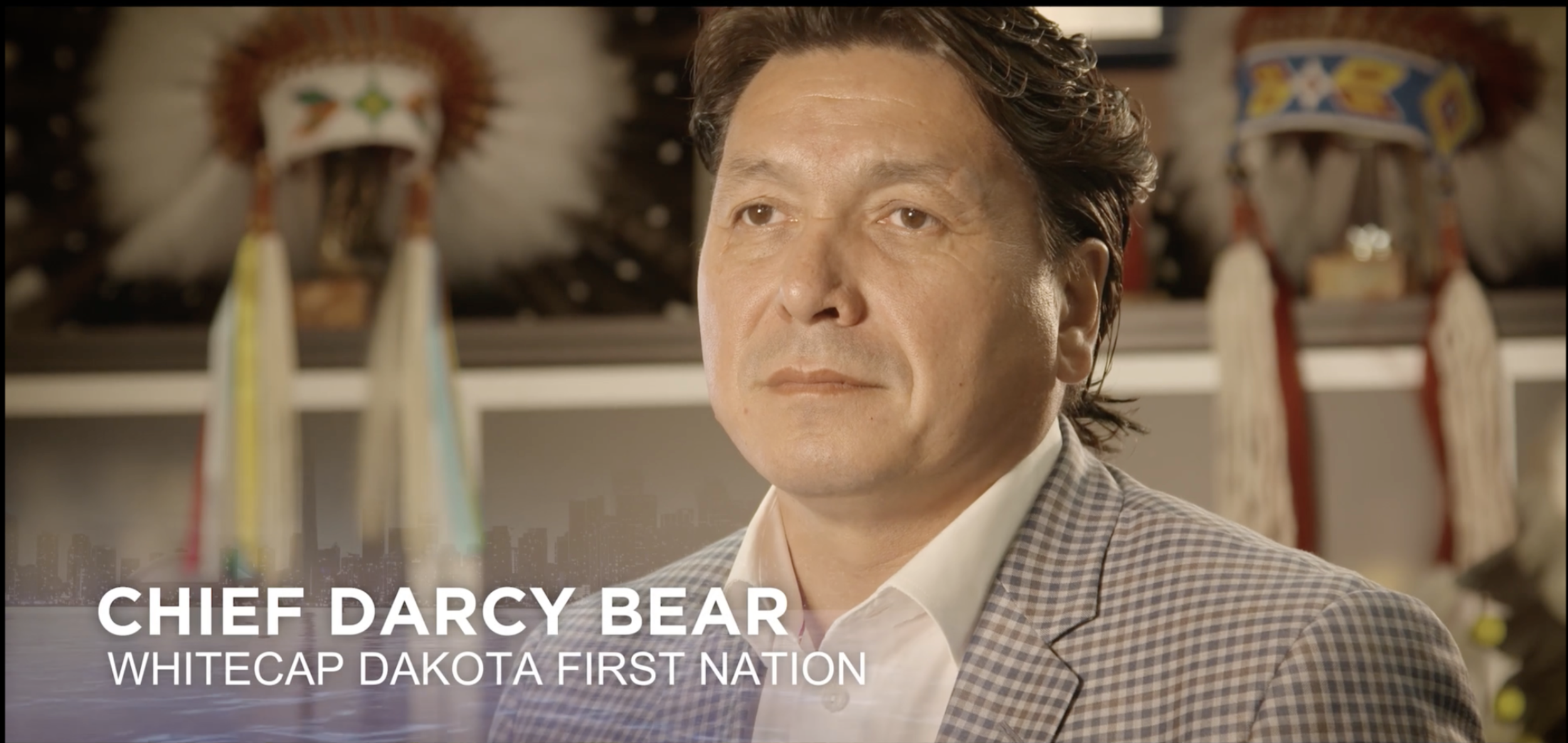
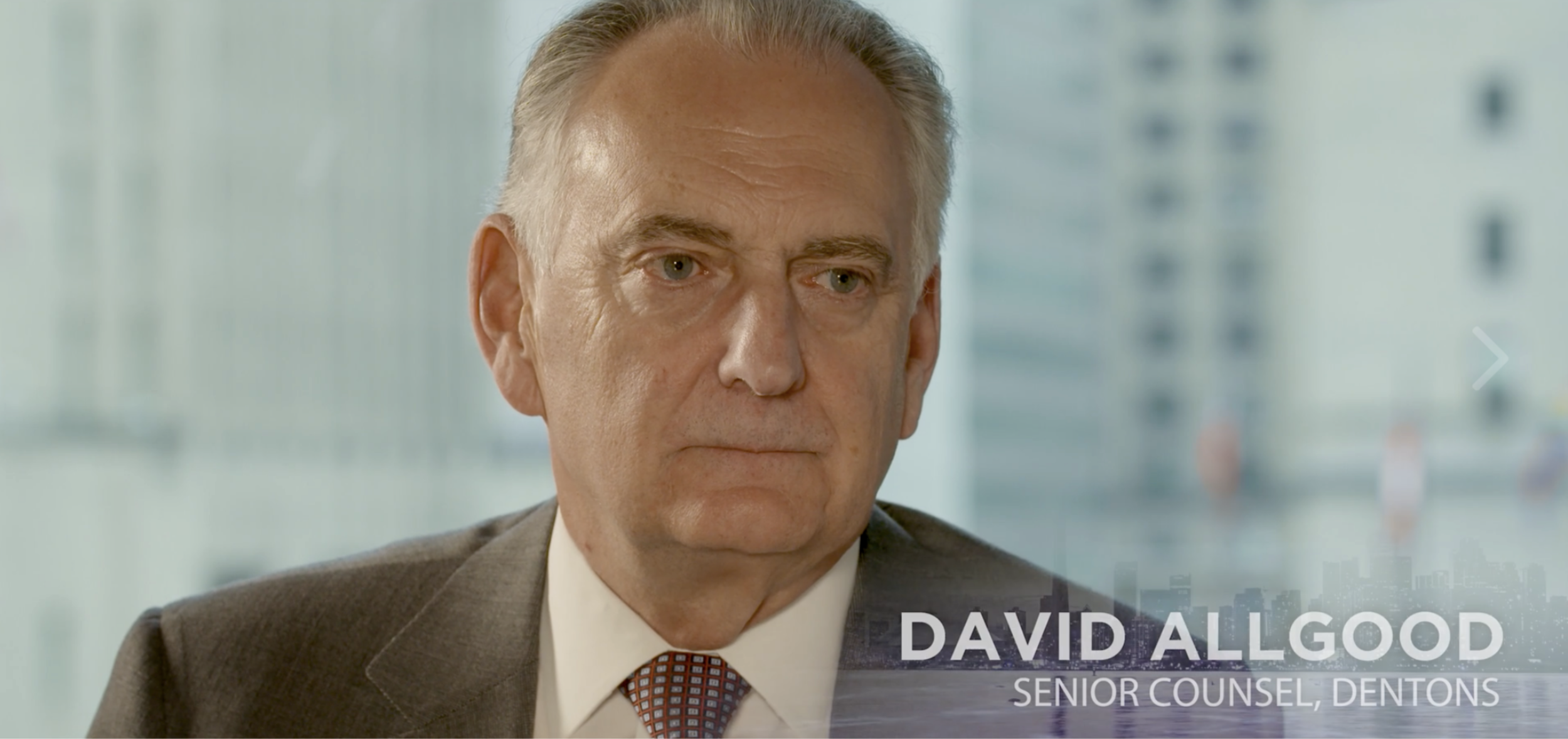
Produced on the heels of the Truth and Reconciliation Commission’s recommendations, this film elevates the voices of Indigenous Leaders on economic reconciliation. Canada is ranked as one of the best country to live in the world whereas Canada’s Indigenous Peoples’ living condition rank 63rd in the world. The gaps in living condition is revealed along with the ongoing impact of Canada’s colonialism. Indigenous leaders pave the way forward towards concrete solutions that can help fuel economic growth of Indigenous Nations which would benefit the entire country.
Watch the trailer here:
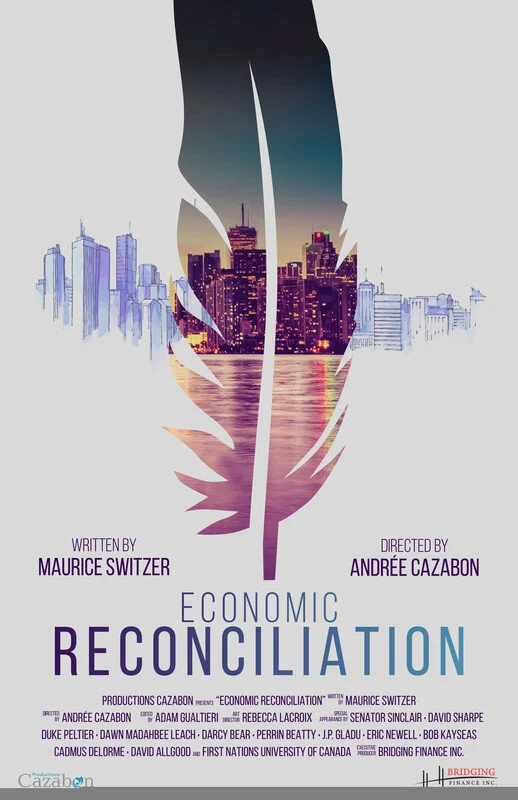
Watch the film: ' Economic Reconciliation'
Reconciliation in the workplace & economic reconciliation:
In every module, at the bottom of the page, we will suggest bonus viewing videos from your ‘Bonus Learning’ library. Questions in the final quiz will not pertain to these bonus sections and these videos can be watched throughout this unit, or you may choose to view them at your leisure, after completing the 10 modules. Every season, more videos are being added to your bonus learning section.
What is Call to Action #92:
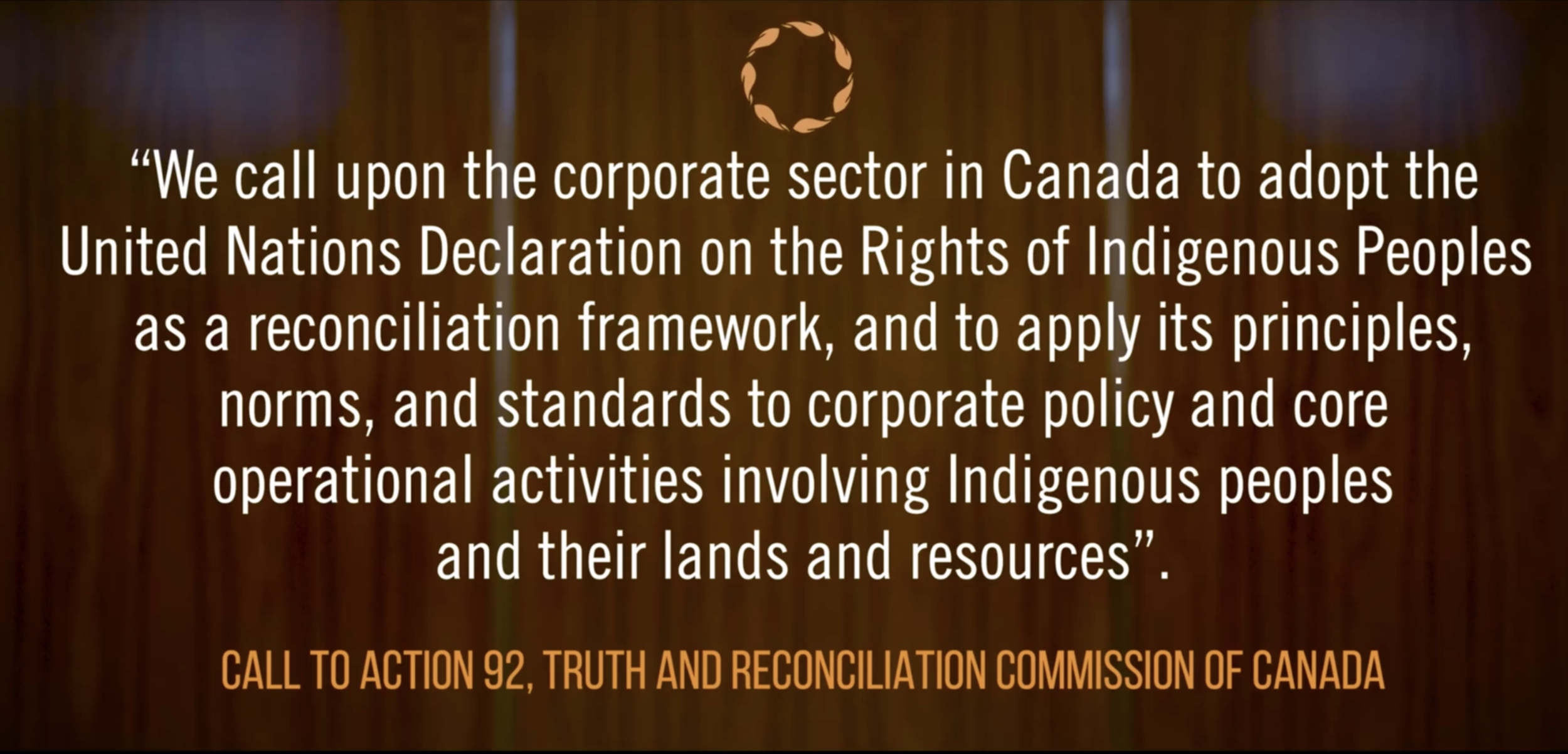
We call upon the corporate sector in Canada to adopt the United Nations Declaration on the Rights of Indigenous Peoples as a reconciliation framework and to apply its principles, norms, and standards to corporate policy and core operational activities involving Indigenous peoples and their lands and resources. This would include, but not be limited to, the following:
Commit to meaningful consultation, building respectful relationships, and obtaining the free, prior, and informed consent of Indigenous peoples before proceeding with economic development projects.
Ensure that Aboriginal peoples have equitable access to jobs, training, and education opportunities in the corporate sector, and that Aboriginal communities gain long-term sustainable benefits from economic development projects.
Provide education for management and staff on the history of Aboriginal peoples, including the history and legacy of residential schools, the United Nations Declaration on the Rights of Indigenous Peoples, Treaties and Aboriginal rights, Indigenous law, and Aboriginal–Crown relations. This will require skills-based training in intercultural competency, conflict resolution, human rights, and anti-racism.
Truth and Reconciliation Commission of Canada, Canada’s Residential Schools: The Final Report of the Truth and Reconciliation Commission of Canada, (2015), v6 Reconciliation, p 204
Module Quiz
To complete Module 1: Take the quiz. These short quizzes will assist you in retaining the information you have learned.
Extended Video Bonus Features:
About the Toronto Premiere:
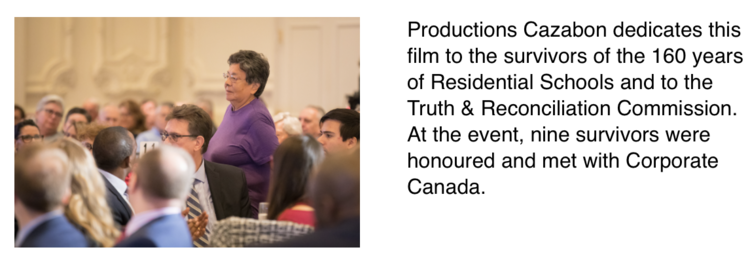
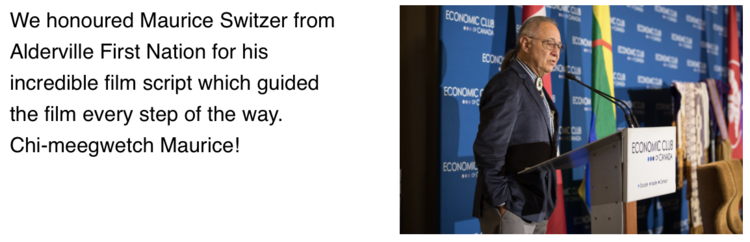
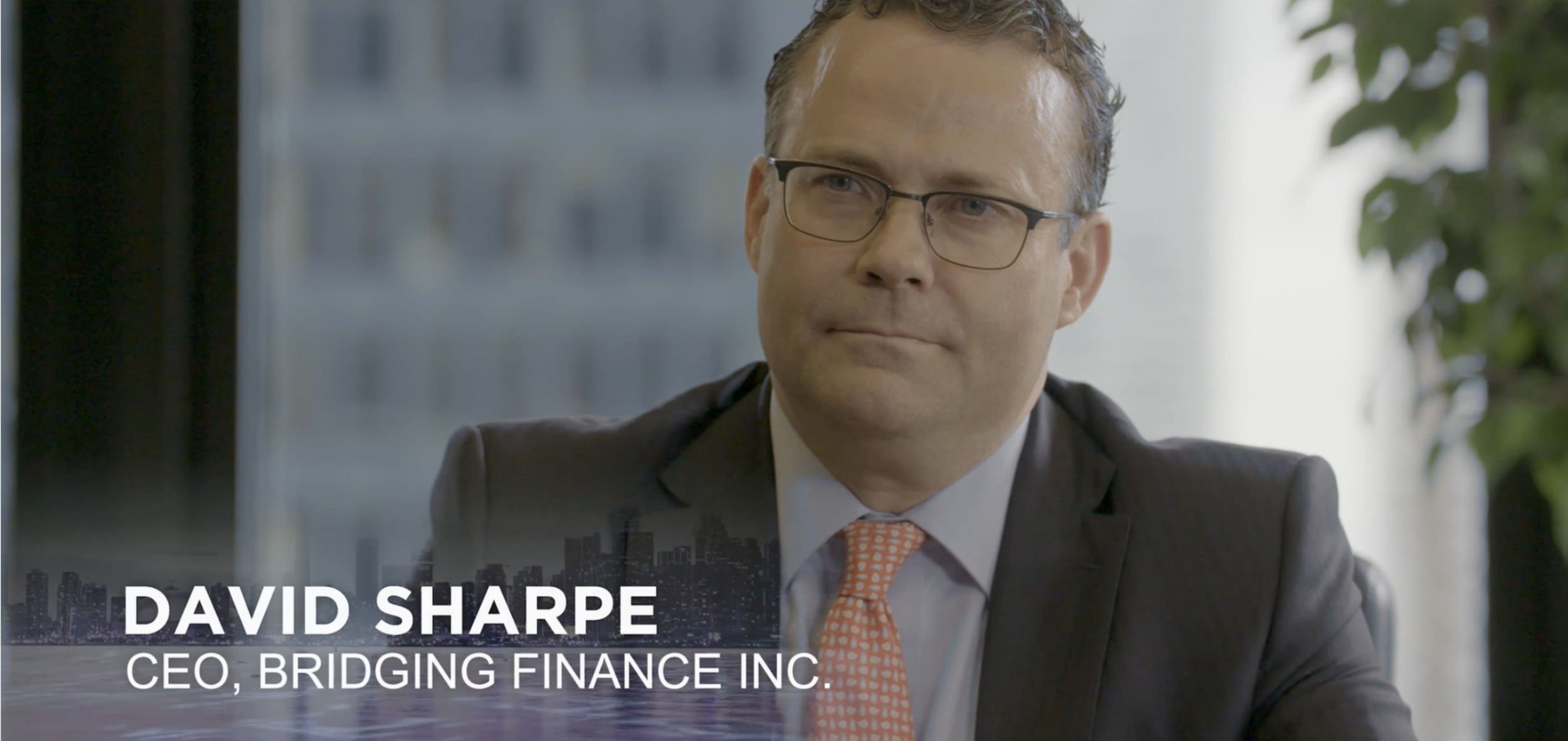
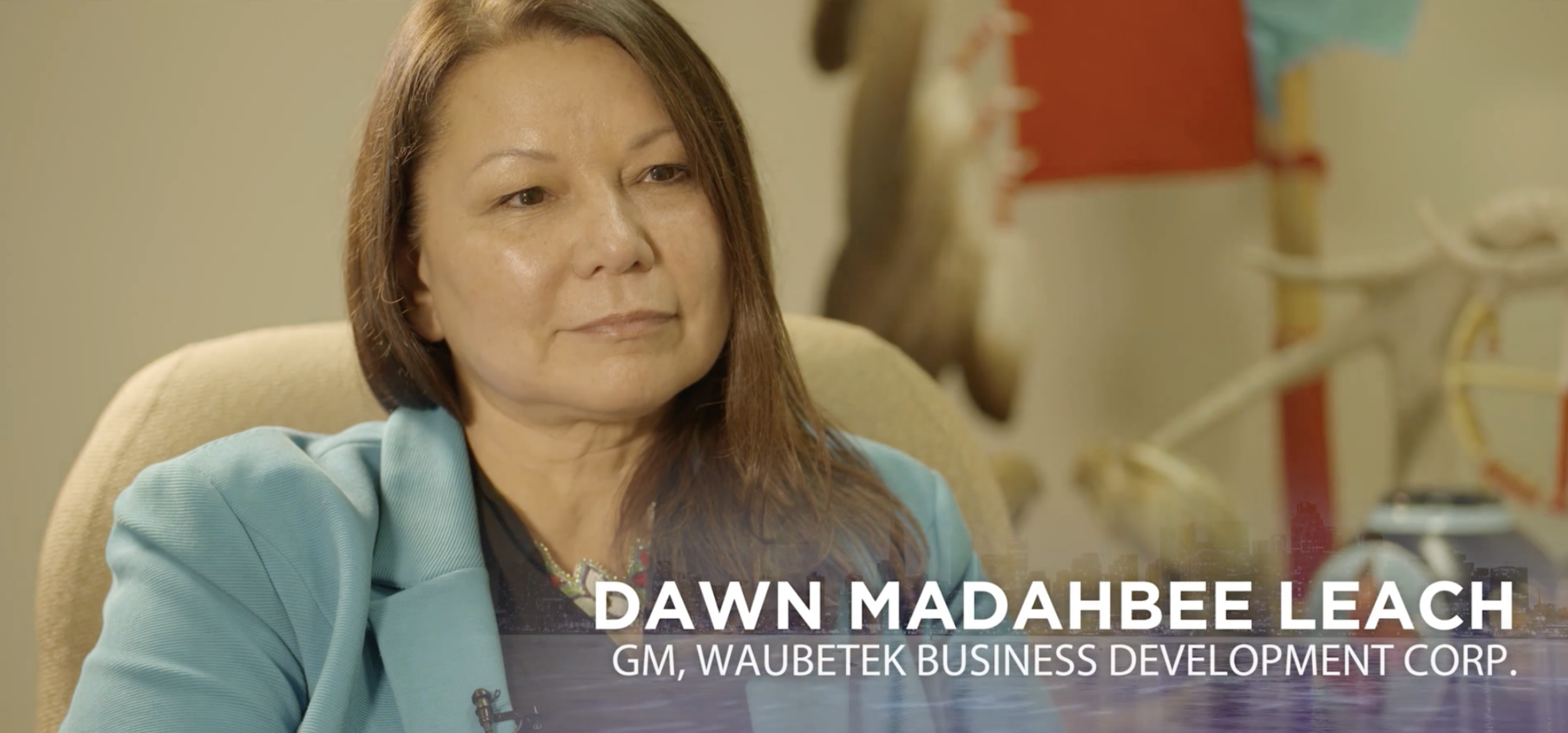
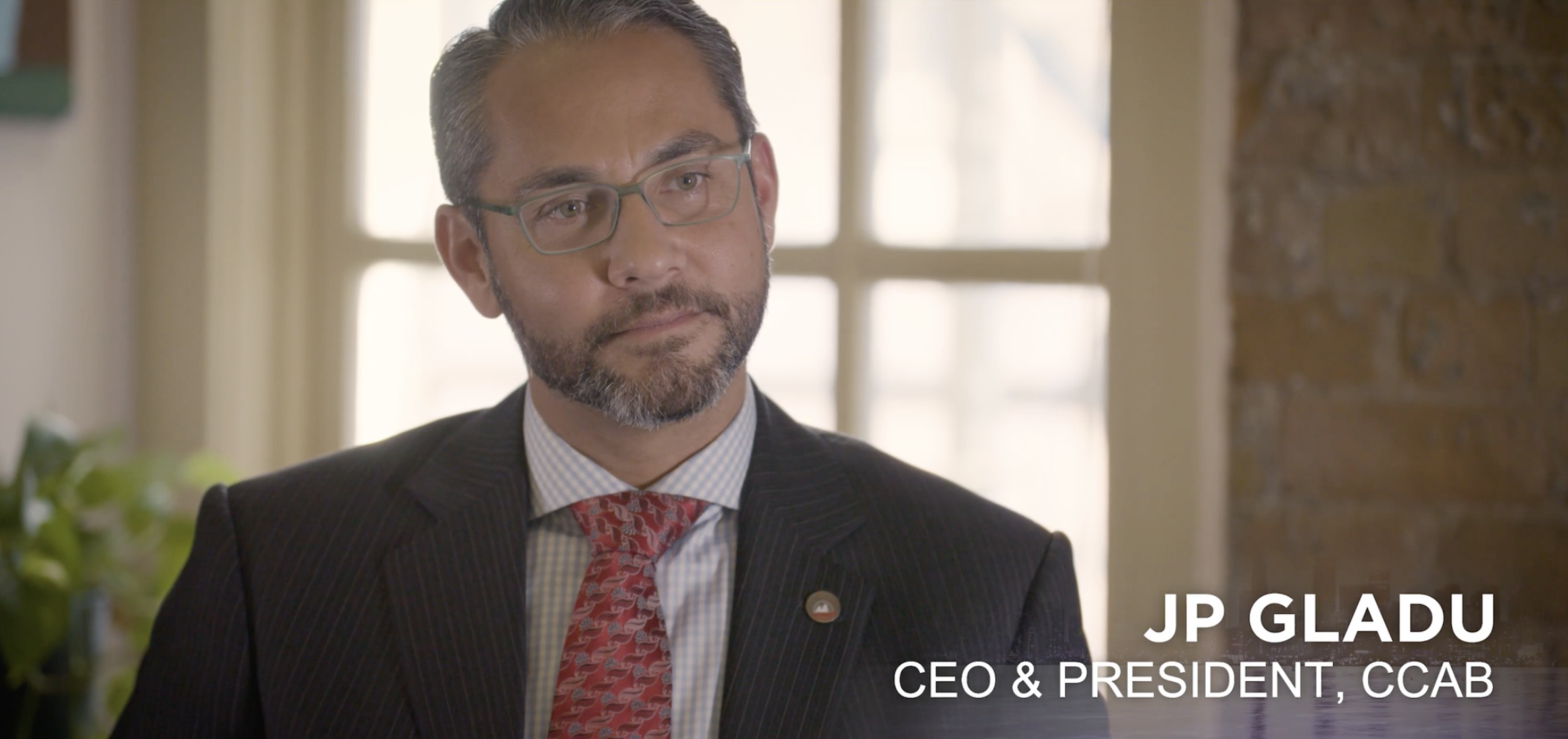
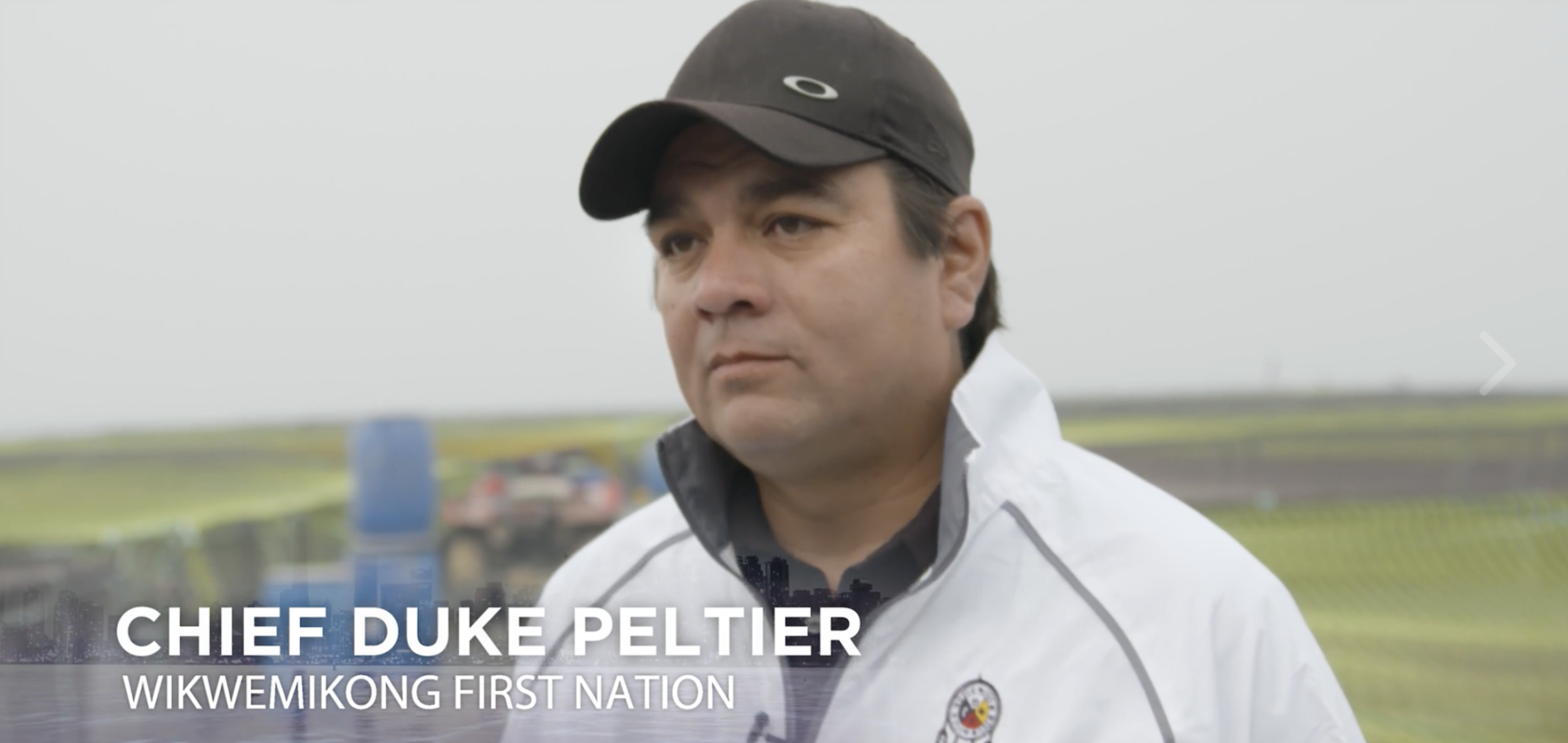
The event was held on October 16th at the King Edward Hotel in the financial district with the film premiere of, Reconciliation on Bay St. (Productions Cazabon) followed by an Indigenous panel of experts: Carol Anne Hilton, Chief Duke Peltier, Jean Paul Gladu and David Sharpe. The panel was moderated by Max Fineday with closing words by Chief Cadmus Delorme. The writer of the film, Maurice Switzer was honoured with a special gift from a Dene Elder and nine Residential School Survivors were in attendance. Proceeds from the event went towards Scholarships at First Nations University of Canada.